Why Ukrainians are looking for a sugar alternative
Stevia is a natural plant-based sugar substitute that allows you to sharply reduce the amount of regular sugar in your diet without giving up the sensation of sweetness. More and more Ukrainians are thinking about how much sugar they consume every day: we count spoons in coffee, read labels more carefully, and choose products marked “sugar-free” or “no added sugar”. The reason is simple: excess sugar is linked to excess weight, type 2 diabetes, tooth decay, and an increased risk of cardiovascular disease.
Against this backdrop, sugar substitutes have become a separate category of products: from artificial sweeteners to natural alternatives. Among the latter, in the category “mass-market, affordable, plant-based and with zero calories”, stevia sugar substitute confidently leads in Ukraine.
What is stevia as a sugar substitute
Stevia is a natural sweetener obtained from the leaves of the Stevia rebaudiana plant. Its sweetness comes from steviol glycosides — special compounds that are 200–300 times sweeter than regular sugar, yet practically add no calories and do not raise blood glucose levels.
In the food industry, the natural stevia sugar substitute is presented in the form of purified extracts (high-purity steviol glycosides), which are used to make powders, liquid sweeteners, tablets for hot drinks, and are also added to beverages, yogurts, bars, chewing gums and diet desserts.
Stevia plant: botany, history, cultivation
Origin. Stevia rebaudiana is a perennial herbaceous plant from the Asteraceae family, native to South America (mainly the territories of modern Paraguay and Brazil). Local Guaraní tribes have called it “ka’a he’ê” — “sweet herb” — for centuries and added fresh or dried leaves to drinks and infusions instead of sugar.
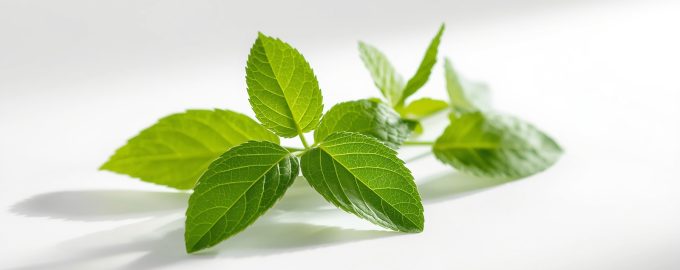
What stevia looks like. It is a low shrub (usually up to 60–80 cm tall) with thin stems and elongated green leaves. The leaves contain the highest concentration of steviol glycosides, so they are harvested, dried and then processed to obtain the sweetener.
Cultivation. Stevia loves warmth and sun and does not tolerate severe frosts, so in Ukraine it is usually grown as an annual crop in open ground or greenhouses, as well as a “home herb” in pots. For a stable level of sweet glycosides, soil quality, sufficient moisture and the correct timing of leaf harvest are important.
What is done with the leaves. After drying, stevia leaves are ground into powder, used as teas or sent for extraction to obtain concentrated steviol glycosides. In dry leaves they usually account for 4 to 20% of the mass, depending on the variety and growing conditions. These compounds form the basis of most stevia-based sweeteners.
Chemical composition of stevia: table per 100 g dry leaf
Below are approximate values for the composition of 100 g of dried stevia leaf (excluding moisture). Specific numbers may vary slightly across varieties and studies, but they give an idea of what lies behind the “sweet herb” from a chemical perspective.
| Indicator | Amount per 100 g of dry stevia leaf* |
|---|---|
| Main nutritional indicators | |
| Energy value | ≈ 330–350 kcal |
| Moisture | about 5.5 g |
| Proteins (all amino acids together) | ≈ 16 g |
| Fats (lipids) | ≈ 3.5–4 g |
| Total carbohydrates | ≈ 58–62 g |
| Dietary fiber | ≈ 7–15 g |
| Ash (minerals) | ≈ 8 g |
| Steviol glycosides (sweet compounds) | |
| Total steviol glycosides | approximately 4–20 g (4–20% of dry mass) |
| Stevioside | ≈ 5–13% of leaf mass |
| Rebaudioside A | ≈ 2–4% of leaf mass |
| Other glycosides (rebaudiosides B, C, D, E, F, dulcoside A, steviolbioside, etc.) | in total ≈ 1–3% of leaf mass |
| Minerals (macro- and microelements) | |
| Potassium (K) | ≈ 350–1800 mg |
| Calcium (Ca) | ≈ 190–360 mg |
| Magnesium (Mg) | ≈ 320–600 mg |
| Sodium (Na) | ≈ 100–135 mg |
| Phosphorus (P) | ≈ 180–200 mg |
| Iron (Fe) | ≈ 200–300 mg |
| Zinc (Zn) | ≈ 3–5 mg |
| Copper (Cu) | ≈ 1 mg |
| Manganese (Mn) | ≈ 9–10 mg |
| Vitamins and bioactive compounds | |
| Vitamin C (ascorbic acid) | ≈ 15 mg |
| Vitamin B2 (riboflavin) | ≈ 0.4–0.5 mg |
| Folic acid | ≈ 50 mg |
| Polyphenols, flavonoids | hundreds of mg in gallic acid equivalents (antioxidant effect) |
*Values are averaged from several studies of dried stevia leaf; specific figures depend on variety, growing conditions and analysis method.
Stevia vs other sugar substitutes
To understand why stevia is often considered one of the best sugar substitutes, it is worth comparing it with other popular sweeteners.
Erythritol. A sugar alcohol that is almost calorie-free, does not raise blood glucose and is often used in keto desserts. However, some studies point to a possible link between high blood erythritol levels and an increased risk of thrombosis and cardiovascular events, so experts recommend moderation.
Xylitol. Tastes very similar to sugar, but in large doses can cause bloating, diarrhea, and is also dangerous for dogs.
Fructose. A natural sugar from fruit that was once considered a “healthy” alternative, but in excess it overloads the liver and is associated with an increased risk of non-alcoholic fatty liver disease and metabolic syndrome.
Artificial sweeteners (aspartame, sucralose, acesulfame K, etc.). Very sweet and almost non-caloric, but there are ongoing debates about their long-term safety and their impact on metabolism and the microbiome.
Against this background, stevia combines several advantages at once: plant origin, zero calories, no impact on blood glucose levels, and confirmed safety of purified steviol glycosides within the recommended daily intake.
Health benefits of stevia
1. Blood sugar control. Steviol glycosides do not raise blood glucose levels, which is why stevia is considered one of the safer sweetener options for people with impaired glucose tolerance and type 2 diabetes (of course, on a doctor’s recommendation).
2. Reducing dietary calories. By replacing sugar with stevia in drinks and desserts, you can noticeably lower the total calorie content of your diet — especially if you drink a lot of sweet coffee, tea or soda every day.
3. Supporting dental health. Unlike sucrose, stevia is not a nutrient medium for caries-causing bacteria in the mouth, which is why it is often added to “tooth-friendly” candies, chewing gums and toothpastes.
4. Antioxidant properties. Stevia leaves contain polyphenols and flavonoids with antioxidant activity. In industrial purified sweeteners their content is significantly lower, but overall the plant is an interesting source of bioactive compounds.
Possible downsides and limitations
Specific aftertaste. Some people notice a slight bitterness or “licorice” note, especially if too much stevia was added or a low-quality product was used. Stevia blends with erythritol or other fillers usually taste milder.
Not all “stevia” products are the same. Under the label “stevia” you may find blends with dextrose, maltodextrin or other sweeteners. Such products can contain calories and affect blood glucose — so always read the ingredient list.
Individual reactions. As with any dietary component, there may be individual differences in tolerance. If you have chronic conditions or take medication, talk to your doctor before replacing sugar with stevia.
Raw leaves and “homemade infusions”. Official recommendations and regulations usually relate to purified steviol glycosides. Stevia leaf tea is a common home practice, but its effects are less studied than those of standardized extracts.
How to choose stevia in Ukrainian stores
1. Check the ingredient list. Ideally, it should list “steviol glycosides”, “stevia extract” or “Reb A” without added sugar, glucose syrup or maltodextrin. If stevia is mixed with erythritol, this is common practice for baking, but the calorie content of such a blend will no longer be zero.
2. Choose the form for your purpose. Tablets or drops are convenient for tea and coffee; powders or stevia + erythritol blends are better suited for desserts and baking, as they resemble sugar more closely by volume.
3. Pay attention to the brand. In Ukraine there are both local manufacturers specializing in stevia-based products and imported brands. Reliable companies usually specify the purity of steviol glycosides, the share of Reb A and recommended dosages.
4. Test the taste. Even the highest-quality stevia may taste slightly different among brands. The best approach is to buy small packages from 2–3 manufacturers and choose the one whose taste and aftertaste you like most.
How to use stevia in the kitchen
A common practical question is: “If I use 100 g of sugar, how much stevia do I need?” If we are talking about pure concentrated stevia extract that is 200–300 times sweeter than regular sugar, then in terms of sweetness, 100 g of sugar roughly corresponds to just 0.3–0.5 g of such stevia. In household cooking blends (for example, stevia + erythritol), where the manufacturer intentionally “dilutes” the sweetness, 100 g of sugar are usually replaced by 100 g of the blend by volume, but the calorie content and nutritional profile will be different.
For drinks. Start with a minimal amount: 1 tablet or 1–2 drops per cup of coffee or tea. Then gradually adjust the dose to your taste to avoid unnecessary bitterness.
For porridges, yogurt and smoothies. Add stevia at the end of cooking, in small portions, tasting the dish each time. This way you preserve the natural taste of fruits, berries and the dairy base.
For baking. Use special baking blends based on stevia (often in combination with erythritol). They better reproduce the volume and texture of sugar in dough. Follow the proportions indicated by the manufacturer (often 1:1 by volume compared to sugar, but with fewer calories).
For no-bake desserts. Curd desserts, chia puddings, protein bars and energy balls are easy to sweeten with liquid or powdered stevia, adding it in small amounts until you reach the desired sweetness.
Stevia is one of the most popular natural sugar substitutes in Ukraine and has quite deservedly become a hero of healthy food trends. It combines zero calories, no effect on blood glucose, plant origin and the proven safety of purified steviol glycosides in recommended doses.
If you run a food blog or simply want to make your diet less “sugary”, stevia is a logical candidate for the role of “main sweet ingredient”. The key is to choose quality products, read labels carefully, remember moderation, and keep in mind that no substitute can compensate for an excess of ultra-processed foods in your diet.
Video: “Sugar substitutes and sweeteners” — Doctor Komarovsky
Frequently asked questions about stevia
What is stevia and why is it considered a natural sugar substitute?
Stevia is the plant Stevia rebaudiana, whose leaves contain steviol glycosides — natural compounds that are 200–300 times sweeter than sugar. Thanks to this, the stevia sugar substitute provides sweetness without a significant amount of calories and without sharp spikes in blood glucose levels.
100 g of sugar — how much stevia is that in terms of sweetness?
If we are talking about pure concentrated stevia extract (without fillers), which is 200–300 times sweeter than sugar, then 100 g of sugar roughly correspond to only 0.3–0.5 g of such stevia. In everyday baking blends (stevia with erythritol or other fillers), manufacturers often make a 1:1 volume ratio with sugar, but the calorie content and composition of such a blend are different.
Is stevia safe for daily consumption?
Purified steviol glycosides used to make stevia sweeteners are considered safe within the recommended daily intake. It is important not to exceed the dosages indicated by the manufacturer and to keep the overall balance of your diet in mind. People with chronic conditions should additionally consult a doctor.
Can stevia be used for diabetes?
Stevia does not raise blood glucose levels, so it is often viewed as an alternative to sugar for people with type 2 diabetes or prediabetes. However, it is important to consider other components of the product (dextrose, maltodextrin, syrups) and to coordinate the choice of sweetener with an endocrinologist.
Is stevia suitable for children and pregnant women?
Small amounts of stevia are usually well tolerated, but for children and pregnant women the main focus should be on whole foods and moderate sweetness in the diet. Using stevia as a sugar substitute in individual drinks or desserts is best discussed with a pediatrician or the doctor managing the pregnancy.
Can stevia help with weight loss?
Stevia itself does not “burn” fat, but it helps reduce the total calorie intake if you replace sugar with stevia in drinks and desserts. Weight loss occurs when there is a moderate calorie deficit, sufficient physical activity and a balanced diet.
Why does stevia sometimes taste bitter or have a “licorice” aftertaste?
A slight bitterness is often associated with a high concentration of stevia or the use of low-quality raw materials. Modern high-purity extracts and stevia-based blends have a much milder taste. If you do not like the aftertaste, try reducing the dose or switching to another brand.
How do stevia leaves differ from refined stevia extract?
Dried stevia leaves are a whole plant product containing fiber, minerals and polyphenols; they provide a mild, herbal sweetness. Refined stevia extract is concentrated steviol glycosides with standardized sweetness and almost no other nutrients; this is what is used in most commercial stevia sweeteners.
Can you use stevia for baking and desserts?
Yes, stevia is widely used in baking and desserts. For dough, it is more convenient to use special baking blends (stevia with erythritol or other fillers), which replace sugar by volume and better maintain texture. Pure concentrated stevia extract is added in very small amounts.