
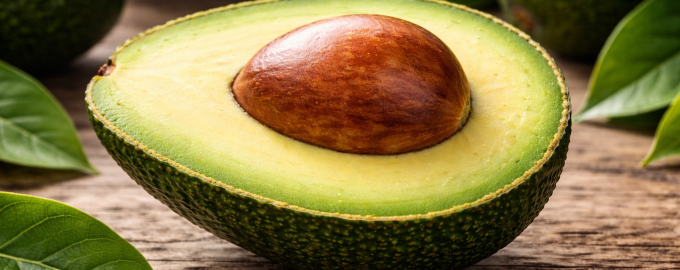
Avocado is a nutrient-dense fruit of the evergreen tree Persea americana that is increasingly included in the diet of people who want to lose weight without extreme restrictions and constant hunger. Despite its relatively high calorie content, avocado is often considered one of the most practical foods for weight management—when used correctly.
The key advantage of avocado is not “fat burning,” but its ability to help you build a more filling, stable, and controllable eating pattern, which is exactly what supports consistent weight loss.
Why Avocado Is Considered Helpful for Weight Loss
At first glance, avocado may seem like an odd choice for a weight-loss diet: it is calorie-dense, rich in fat, and not a “light” fruit. However, its nutrient profile makes it a useful tool for appetite control and dietary adherence.
1) Longer-Lasting Fullness
Avocado combines dietary fiber with beneficial unsaturated fats. This combination tends to slow digestion and gastric emptying, helping you feel satisfied for longer.
As a result, many people snack less, experience fewer cravings for sweets, and find it easier to stick to regular meal intervals.
2) Reduced Overeating
One of the biggest obstacles in weight loss is not calories alone, but unplanned snacking and eating “extra” due to hunger. Avocado can help address that exact problem.
Even a modest portion added to a main meal may increase satisfaction and reduce the likelihood of overeating later in the day.
3) Better Appetite Stability
Very low-fat diets often lead to cravings and rebound overeating. Avocado can help cover the body’s need for fats, which may reduce cravings for fatty and sugary foods.
This can be especially valuable for long-term weight loss, where the plan must be sustainable rather than short-lived.
Avocado Calories—and Why They Don’t Automatically Prevent Weight Loss
On average, 100 g of fresh avocado contains about 160 kcal. That is higher than most fruits, but avocado calories work differently in everyday practice.
Most of the energy comes from monounsaturated fats that:
- digest more slowly than simple carbohydrates;
- support satiety and appetite regulation;
- help you stay full longer after meals.
For weight loss, the goal is not only to cut calories, but also to manage hunger. In this sense, avocado can be more helpful than low-calorie foods that digest quickly and leave you hungry soon after.
How Avocado Helps You Maintain a Calorie Deficit
Use It as a Substitute, Not an “Extra”
Avocado supports weight loss best when it replaces more calorie-dense ingredients, such as:
- mayonnaise and heavy sauces;
- butter;
- full-fat cheeses and spreads;
- part of the added oils in a dish.
If you simply add avocado on top of your usual meals, your calorie deficit can disappear.
Lower Sugar Load and Fewer “Crashes”
Avocado contains very little sugar and is unlikely to trigger sharp blood glucose spikes. This can reduce sudden hunger and cravings for sweets for some people.
Support for a More Consistent Eating Pattern
When avocado is included regularly, many people find it easier to stick to 2–3 main meals per day with fewer snacks in between—largely because meals feel more satisfying.
How Much Avocado to Eat for Weight Loss
The best daily amount depends on your total calorie intake, activity level, and how you use avocado in your meals.
- Typical portion: 50–80 g per day (about 1/3–1/2 of a medium fruit).
- On a tighter calorie budget: 30–50 g (about 1/4 of a fruit).
- If avocado replaces sauces/fats: using up to 1/2 fruit in a meal can be reasonable.
Avocado is most effective when eaten as part of a balanced meal with protein and vegetables.
When and How to Eat Avocado While Losing Weight
- At breakfast—if you tend to get very hungry later in the day;
- At lunch—for steady satiety into the afternoon/evening;
- At dinner—in a moderate portion to reduce late-night snacking.
Avocado pairs especially well with eggs, fish, chicken, turkey, legumes, leafy greens, and fresh vegetables.
Can Avocado Slow Down Weight Loss?
Yes—if portions are not controlled. The most common mistakes include:
- eating a whole avocado every day with low activity levels;
- combining avocado with rich sauces, oils, and other high-fat add-ons;
- not tracking overall calorie intake.
Avocado is a healthy food, but it is not “low-calorie,” so portion size matters.
Contraindications and Limitations
Avocado is safe for most people, but extra caution may be needed in certain situations:
- allergy (including latex-fruit syndrome);
- medical need to limit potassium intake;
- use of anticoagulants where vitamin K intake must be consistent;
- tendency to overeat calorie-dense foods.
For most people, avocado can be included regularly as part of a balanced diet.
Frequently Asked Questions About Avocado for Weight Loss
Can you lose weight if you eat avocado every day?
Yes, as long as avocado fits into your overall calorie deficit. Avocado does not burn fat directly, but its combination of healthy fats and fiber can help you feel full longer and reduce snacking.
Avocado is high in calories—does it prevent weight loss?
Not if you control portions. The key is to use avocado as a substitute for calorie-dense sauces or fats, rather than adding it on top of an already high-calorie meal.
How much avocado should you eat per day for weight loss?
For most people, an optimal portion is 50–80 g per day (about 1/3–1/2 of a medium avocado). On a stricter calorie deficit, 30–50 g may be enough.
What time of day is best to eat avocado?
There is no strict “best time.” Many people prefer avocado at lunch or dinner to stay satisfied longer and reduce the risk of cravings and unplanned snacks.
What should you pair avocado with for weight loss?
Avocado works best with protein and vegetables—eggs, fish, poultry, legumes, leafy greens, and fresh vegetables. This combination tends to improve satiety.
Who should be cautious with avocado?
People with allergies (including latex-fruit syndrome), those who must limit potassium, and those taking anticoagulants who need consistent vitamin K intake should be cautious and follow medical guidance.